

The Abbot's Secret Chamber: Hidden Rooms in English Monasteries
Hidden Spaces | October 1, 2026
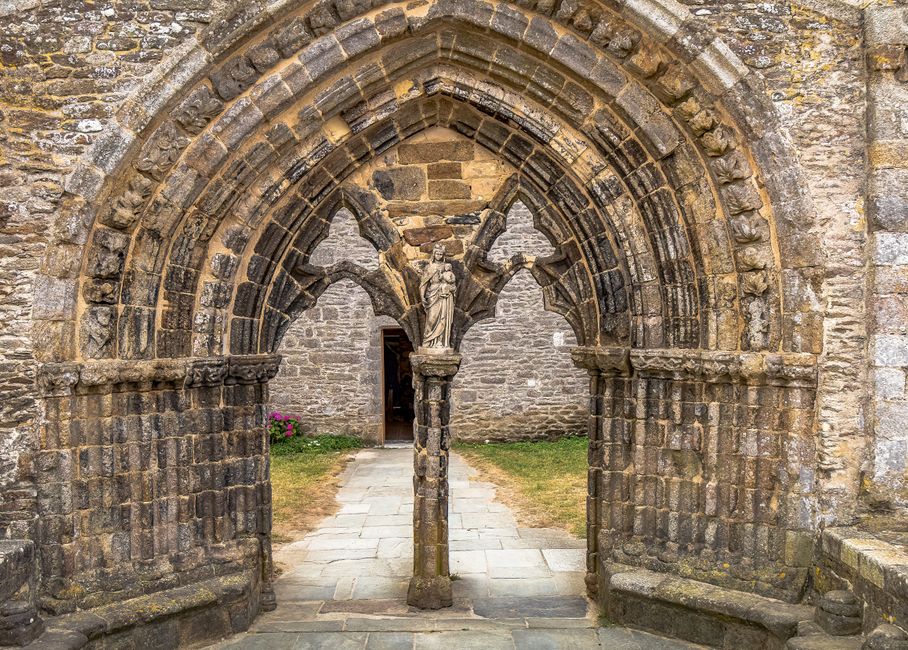
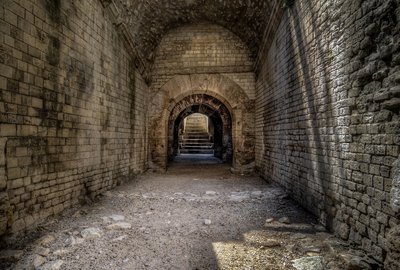
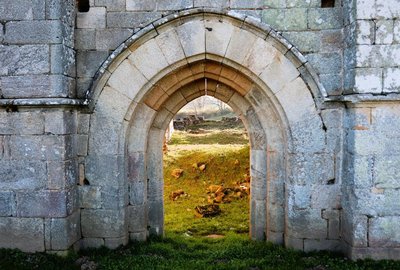
Monasteries were built to be transparent. The rule of St. Benedict, which shaped Western monasticism, emphasized stability, community, and openness. Monks ate together, prayed together, and slept in common dormitories. Yet the architecture of many English monasteries tells a more complicated story. Hidden staircases, sealed chambers, and passages that appear on no plan suggest that not everything was meant to be seen.
Some of these spaces have innocent explanations. Storage cellars, treasuries, and strongrooms were common, particularly in abbeys that accumulated reliquaries and plate. A locked chamber beneath the warming room might simply have held grain. But others resist easy explanation. At several former monasteries, renovations have revealed small rooms with no obvious door, accessible only through a movable panel or a trapdoor concealed beneath floorboards.
Priests' Holes and Later Secrets
After the Dissolution of the Monasteries in the 1530s, many former monastic buildings passed into private hands. Catholic families who purchased them sometimes built priests' holes — concealed cavities where a fugitive priest could hide during a search. These are well documented in Tudor manor houses, but some appear in buildings that were formerly monastic, blurring the line between medieval and post-Reformation secrecy.
Earlier hidden rooms are harder to explain. At one abbey in the West Country, a sealed chamber was found containing a small altar, a crucifix, and a hoard of coins. Was it a hermit's cell? A place of private devotion for an abbot who wished to escape the community? Or something else entirely? The records are silent, and the room itself offers no answers.
What the Walls Refuse to Say
Part of the appeal of these hidden spaces is that they resist the tidy narratives historians prefer. Monasteries were complex institutions, home to ambition, politics, and sometimes fear. An abbot who feuded with his bishop might have wanted a place to meet allies unseen. A monk struggling with his vows might have sought solitude beyond the rules. The architecture allowed for both piety and privacy, sometimes in the same building.
Today, many of these chambers remain sealed or have been converted into cupboards and boiler rooms, their original purpose lost. A few are open to visitors, though often without explanation. Standing in such a room, you become aware of how much of the past is simply missing — not destroyed, but never written down. The hidden rooms of English monasteries remind us that even in communities dedicated to transparency, secrets find a way to persist.
-
The Alchemist in the Cloister: Science and Heresy in Medieval Abbeys
Oct 3, 2026Architectural Secrets

-
The Library That Vanished: Tracing the Lost Manuscripts of Monastic Scriptoria
Sep 18, 2026Hidden Spaces

-
The Silent Watchers: Gargoyles and the Hidden Meanings Carved in Stone
Aug 26, 2026Monastic Mysteries

-
The Underground River: Secret Passages and Hidden Waterways Beneath Abbeys
Sep 6, 2026Pilgrimage and Devotion

-
The Forbidden Books: Censored Texts and Hidden Heresies in Monastic Libraries
Sep 30, 2026Lost Monasteries

-
The Bones in the Wall: Mysterious Burials in Medieval Religious Buildings
Sep 24, 2026Lost Libraries


Cloister Clue
Some monasteries harbored more than prayer and manuscripts — they also sheltered alchemists whose experiments blurred the line between devotion and heresy.