
The Forbidden Books: Censored Texts and Hidden Heresies in Monastic Libraries
Forbidden Knowledge | September 10, 2026
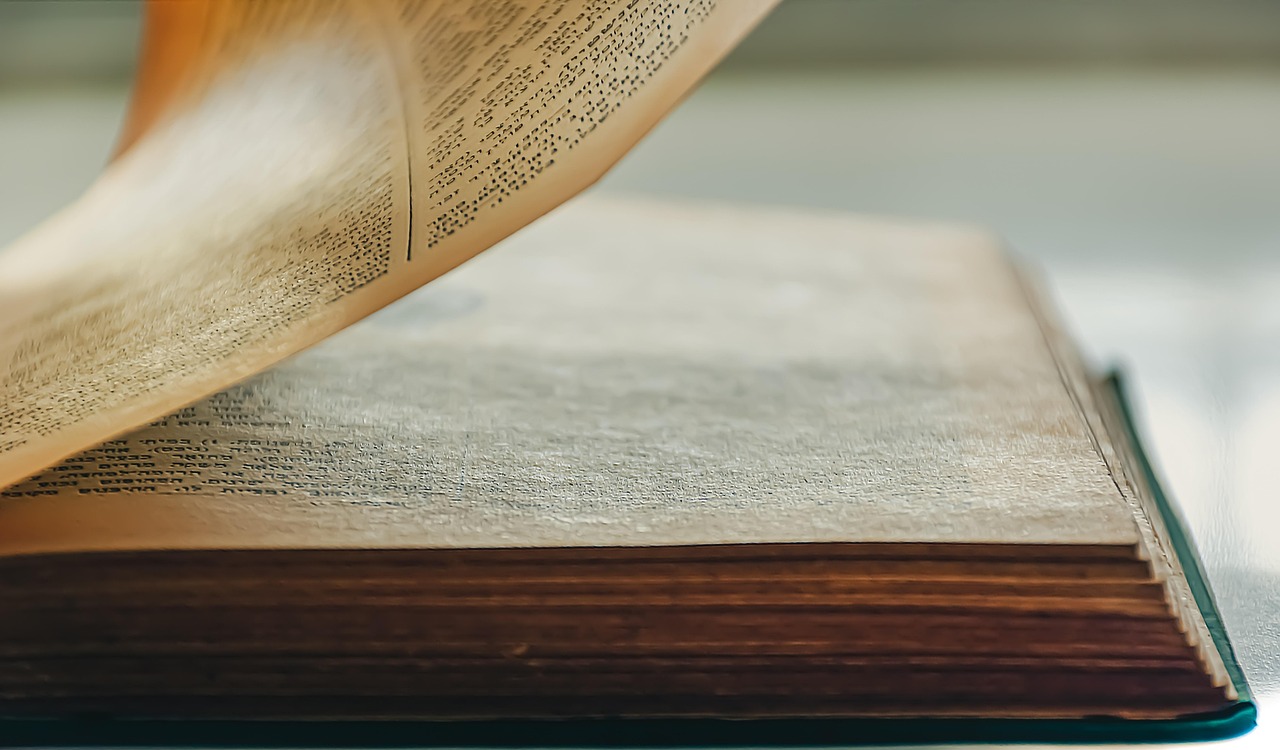
In the quiet of the scriptorium, a monk might pause over a page and glance around before turning it. The text was not heretical—not exactly—but it was dangerous. It questioned an accepted interpretation, or described a practice the Church had condemned, or simply came from a tradition that was out of favor. In a world where orthodoxy was enforced and books could be burned, the presence of such a volume in a monastic library was a quiet act of rebellion.
Medieval monasteries were not isolated from the intellectual currents of their time. Monks read widely, and their libraries often contained works that sat uneasily with official doctrine. Some of these books were kept openly, tolerated because they were useful or because the abbot was sympathetic. Others were hidden—concealed in bindings, buried in walls, or listed in catalogues under misleading titles.
The Margins Tell the Story
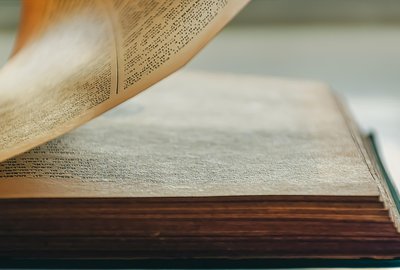
One of the best sources of evidence for forbidden reading is the margins of surviving manuscripts. A monk who disagreed with a text might write a note of correction. A monk who found a passage exciting might mark it with a little hand or a note of approval. These annotations are often more revealing than the main text, because they show what a real reader thought.
In one twelfth-century manuscript, a copy of a theological work by a controversial author, a later monk has written a series of comments that grow increasingly critical. At first, the notes are polite—"this seems doubtful"—but by the end, the reader has lost patience. "This is nonsense," he writes. "Why was this book ever copied?" The manuscript survives, which means the book was not destroyed, but the marginalia show that it was read with suspicion.
Other evidence comes from bindings. Medieval books were often bound in sheets of older parchment, and these fragments can preserve texts that were otherwise lost. A binding from a fifteenth-century abbey might contain a page from a heretical treatise that was cut up and reused because the book itself was considered too dangerous to keep. The text was destroyed, but the fragments remain, hidden in plain sight.
What Was Forbidden?
The list of forbidden books changed over time. In the early Middle Ages, the main concern was heresy—teachings that contradicted the core doctrines of the Church. By the later Middle Ages, the focus shifted to works that challenged the authority of the papacy, criticized the wealth of the clergy, or promoted ideas that were seen as politically subversive. The invention of printing made the problem worse, as banned books could be produced in large numbers and smuggled across borders.
But monasteries were not simply victims of censorship. They were also agents of it. Monks were often the ones who compiled lists of prohibited books, who inspected libraries for dangerous texts, and who decided what could be read and what could not. The same institution that preserved ancient learning also worked to suppress ideas it considered dangerous.
The forbidden books that survive are a reminder that the medieval Church was not a monolith. It was a complex, often contradictory institution, and the monks who lived within it were not always obedient. They read what they were told not to read, they questioned what they were told to believe, and they left traces of their curiosity in the margins of the books they were supposed to fear.
-
The Underground River: Secret Passages and Hidden Waterways Beneath Abbeys
Sep 30, 2026Burial Mysteries

-
The Alchemist in the Cloister: Science and Heresy in Medieval Abbeys
Sep 12, 2026Architectural Secrets

-

-
The Bell That Rang for No One: Forgotten Abbeys and Their Silent Towers
Sep 24, 2026Monastic Mysteries

-
The Library That Vanished: Tracing the Lost Manuscripts of Monastic Scriptoria
Sep 18, 2026Pilgrimage and Devotion

-

-
The Underground River: Secret Passages and Hidden Waterways Beneath Abbeys
Aug 30, 2026Lost Libraries

-
The Forbidden Books: Censored Texts and Hidden Heresies in Monastic Libraries
Sep 10, 2026Hidden Passages

-
The Bones in the Wall: Mysterious Burials in Medieval Religious Buildings
Oct 3, 2026Forbidden Knowledge

Cloister Clue
Not every skeleton found in an abbey belongs in a grave—some were walled up, hidden under floors, or placed in locations that defy explanation.