



The Underground River: Secret Passages and Hidden Waterways Beneath Abbeys
Hidden Passages | September 13, 2026
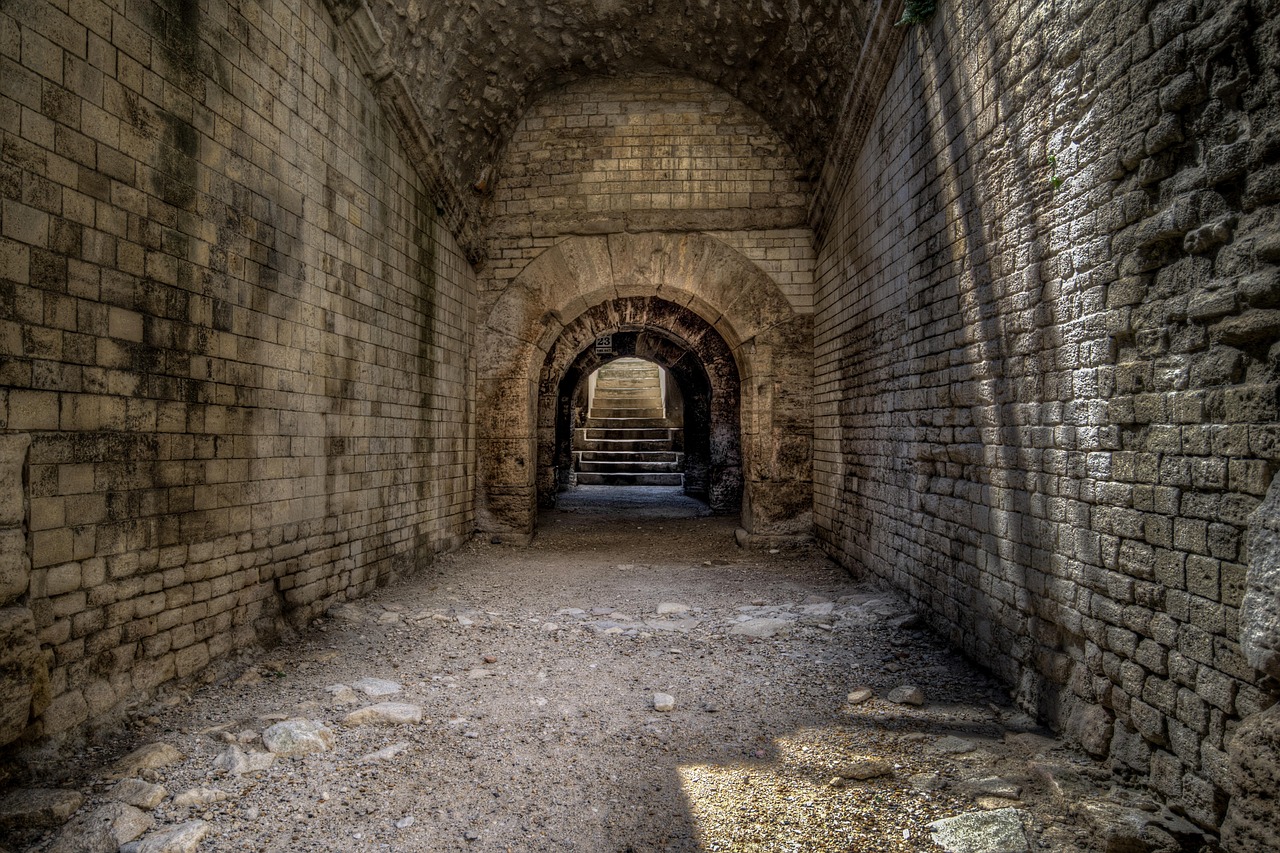
Beneath the quiet cloisters and grassy courtyards of many abbeys, another world exists. Medieval builders were masters of hydraulics, and they left behind a network of underground passages, drains, and water channels that are only now being fully explored. Some of these tunnels were practical—they carried fresh water to the kitchen and waste away from the latrines. But others served purposes that the monastic chronicles never explain.
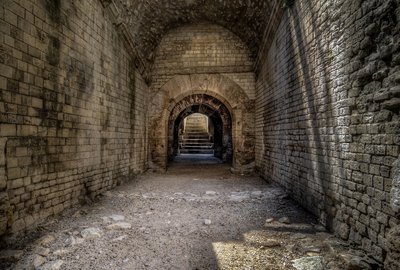
The most famous of these underground systems is at a Cistercian abbey in the north of England, where a stone-lined channel still carries a stream beneath the site. The monks diverted the water to power their mill, flush their necessarium, and supply their fish ponds. The engineering is remarkable, but what interests historians is the network of smaller passages that branch off from the main channel—tunnels too narrow for a person to walk upright, yet clearly built with care.
The Practical and the Secret
Every large monastery needed a reliable water supply and an efficient way to dispose of waste. The solution was often a system of conduits and drains that ran beneath the buildings. These were not glamorous features, but they were essential. A typical abbey might have a series of stone-lined culverts that carried rainwater away from the foundations, a separate channel for drinking water, and a drain that led from the reredorter—the monks' communal latrine—to a nearby river or cesspit.
But some passages seem to have been built for other reasons. In several abbeys, archaeologists have found tunnels that lead from the main buildings to points outside the precinct walls. These are often described as "escape routes," though it is not clear who would have needed to escape or from whom. In times of trouble—a raid by bandits, a dispute with a local lord, or the dissolution of the monastery itself—such a passage could have been a lifeline. But they could also have been used for smuggling, for secret meetings, or for moving people and goods without being seen.
The Evidence in the Stone
One of the challenges of studying these passages is that they were rarely mentioned in written records. The monks who built them had no reason to advertise their existence, and the chronicles that survive tend to focus on spiritual matters rather than plumbing. The evidence comes instead from the stones themselves. Tool marks, the size of the tunnel, the direction it takes, and the way it connects to other features can all offer clues about its purpose.
In one abbey, a narrow passage was found leading from the abbot's lodging to a small chamber beneath the church. The chamber contained no furniture, no decoration, and no obvious function. It was not a tomb, a treasury, or a prison. The most plausible explanation is that it was a hiding place—a refuge for a person or an object that needed to be kept secret. What that might have been, no one knows.
The underground world of the abbey is a reminder that medieval religious life was not only about prayer and contemplation. It was also about survival, secrecy, and the practical business of living in a community. The tunnels beneath the cloister are a testament to the ingenuity of their builders—and to the fact that even in a house dedicated to God, not everything was meant to be seen.
-
The Abbot's Secret Chamber: Hidden Rooms in English Monasteries
Aug 31, 2026Pilgrimage and Devotion

-

-

-

-
The Bell That Rang for No One: Forgotten Abbeys and Their Silent Towers
Sep 22, 2026Forbidden Knowledge

-
The Library That Vanished: Tracing the Lost Manuscripts of Monastic Scriptoria
Sep 29, 2026Burial Mysteries

-
The Silent Watchers: Gargoyles and the Hidden Meanings Carved in Stone
Sep 27, 2026Architectural Secrets

-
The Underground River: Secret Passages and Hidden Waterways Beneath Abbeys
Aug 30, 2026Hidden Spaces

-
The Forbidden Books: Censored Texts and Hidden Heresies in Monastic Libraries
Sep 24, 2026Monastic Mysteries

Cloister Clue
Some medieval monks kept books they were not supposed to read, and the evidence of their forbidden curiosity survives in margins, bindings, and secret catalogues.