

The Silent Watchers: Gargoyles and the Hidden Meanings Carved in Stone
Architectural Secrets | September 16, 2026
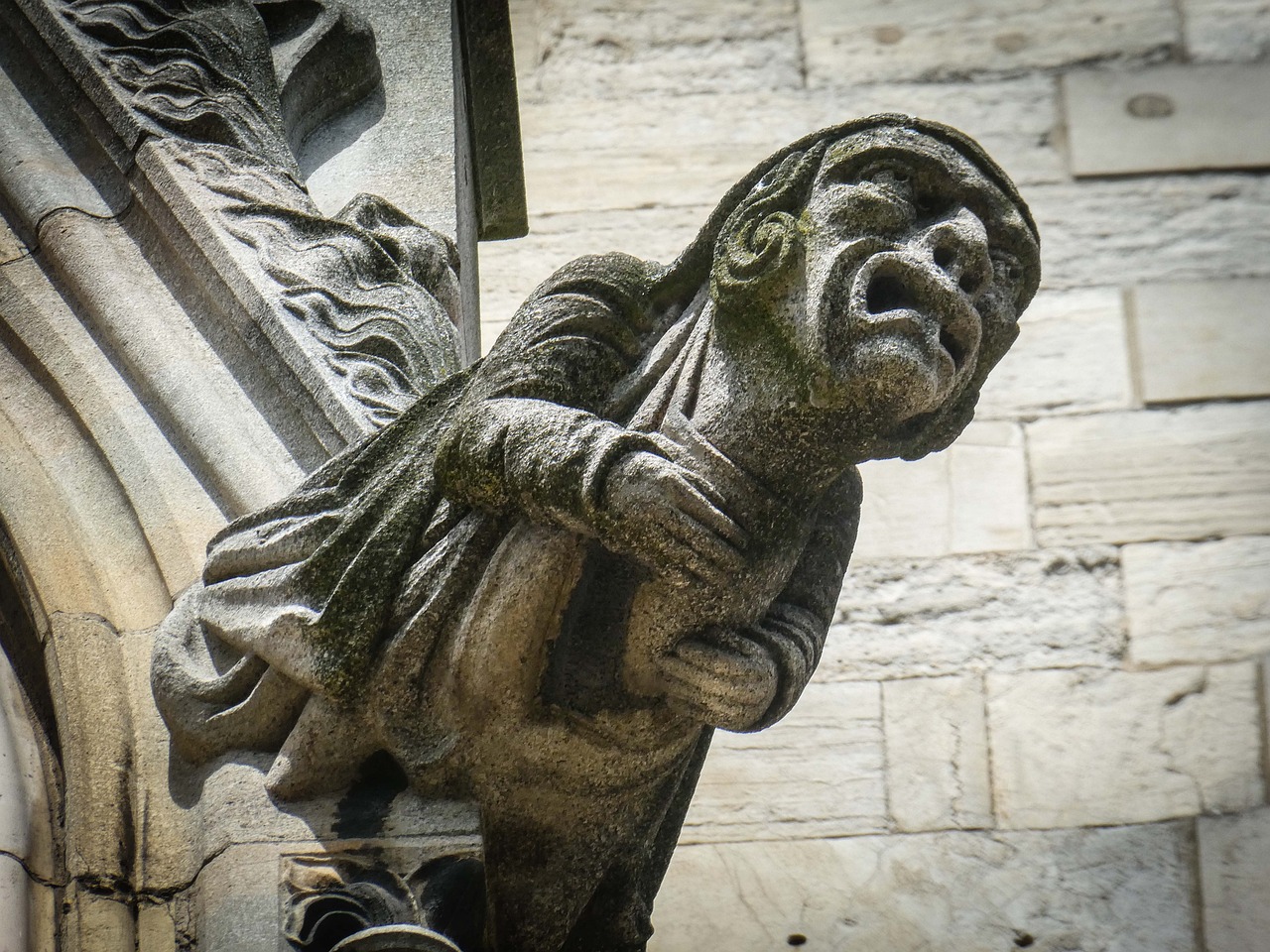
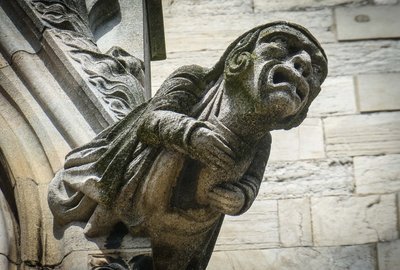
High on the walls of abbeys and cathedrals, grotesque figures lean out over the world below. We call them gargoyles, though technically the term refers only to those carved creatures that serve as water spouts. The rest—the demons, the dragons, the grinning faces—are grotesques, and they are among the most misunderstood features of medieval religious architecture. They are not random. They are not merely frightening. They are a language.
To the medieval mind, the church was a fortress against evil, and its walls were a battleground. The grotesques that cluster around doorways, eaves, and choir stalls were placed there to ward off malevolent spirits, to remind the faithful of the demons that lurked outside, and to illustrate the ugliness of sin. But they also served a more practical purpose: they were visual sermons for a congregation that could not read.
The Preacher in the Stone
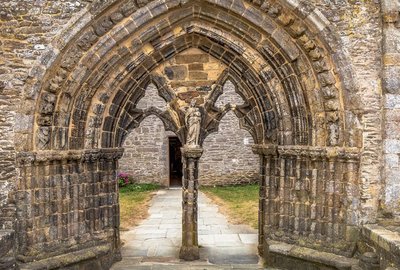
A peasant entering the abbey church would see, above the door, a scene of the Last Judgment. Around the nave, carved capitals showed the virtues and vices—generosity and greed, chastity and lust—each in vivid, sometimes comic detail. The grotesques on the exterior walls continued the lesson, showing what happened to those who fell. A figure with a purse clutched to its chest might represent avarice. A creature with a gaping mouth could be a warning against gluttony. The message was clear even to those who understood no Latin.
But not every carving was solemn. Medieval masons had a sense of humor, and they often carved themselves into the fabric of their buildings. A mason might leave his own likeness in a corner, or a caricature of the abbot who supervised the work. There are grotesques that appear to be portraits—a man with a squint, a woman with a distinctive nose—and others that are clearly jokes, such as a fox preaching to geese or a rabbit dueling with a hound. These images turned the sacred space into something more human, a place where the divine and the everyday met.
Who Was Meant to See?
One of the most intriguing questions about these carvings is their visibility. Many grotesques are placed so high that they can barely be seen from the ground, even with perfect eyesight. Why carve such detailed figures where no one could appreciate them? Some scholars suggest that they were intended for a heavenly audience—or for the eyes of God alone. Others argue that they were meant to be seen from the scaffolding during construction, a private joke among the workmen that would be hidden once the building was complete.
There is also the possibility that they were never meant to be seen clearly at all. In a world where evil was believed to be ever-present, the mere presence of a protective image might have been enough, regardless of whether human eyes could make it out. The grotesque was a guardian, and its power lay in its existence, not its visibility.
Today, we photograph these carvings and study them as art. But for the medieval monk or pilgrim, they were something more: a reminder that the world was full of unseen dangers, and that the abbey was a place of refuge, its walls alive with silent watchers who had been keeping guard for centuries.
-
The Forbidden Books: Censored Texts and Hidden Heresies in Monastic Libraries
Sep 20, 2026Hidden Spaces

-

-

-

-

-
The Bell That Rang for No One: Forgotten Abbeys and Their Silent Towers
Sep 19, 2026Hidden Passages

-
The Library That Vanished: Tracing the Lost Manuscripts of Monastic Scriptoria
Sep 15, 2026Forbidden Knowledge

-
The Silent Watchers: Gargoyles and the Hidden Meanings Carved in Stone
Aug 30, 2026Burial Mysteries

-
The Underground River: Secret Passages and Hidden Waterways Beneath Abbeys
Sep 13, 2026Architectural Secrets

Cloister Clue

Beneath many medieval monasteries lie forgotten tunnels and water channels that once served as sewers, escape routes, and perhaps something more secret.