


The Hidden Language of Stone: Mason Marks in Medieval Abbeys
Architectural Secrets | October 4, 2026
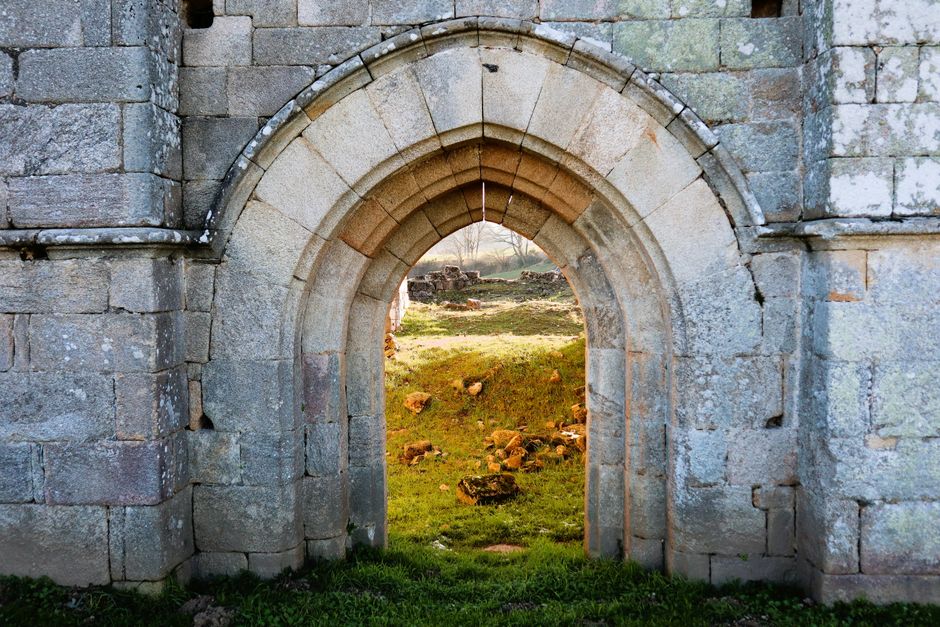
Run your fingers along the interior walls of almost any medieval abbey in Europe and you may feel them: small grooves, geometric scratches, letters, and strange sigils cut into the stone. These are mason marks, and they are among the most quietly fascinating secrets hiding in religious architecture. They were never meant to be read by the public. They were working notes, signatures, and sometimes something more.
Medieval masons were paid by the day or by the piece, and cathedral and abbey building projects could stretch across centuries. A master mason needed a way to track which stones his team had cut, how much work had been completed, and who was responsible for what. The marks served as a kind of medieval accounting system carved in perpetuity. Some are simple crosses or triangles; others are elaborate geometric constructions that resemble personal coats of arms.
More Than Just Signatures
What makes mason marks so intriguing is that they vary wildly from region to region and even from one building phase to another. At some abbeys, the same mark appears on stones laid decades apart, suggesting a family trade passed from father to son. At others, marks cluster in specific areas — the choir, the crypt, the chapter house — hinting that particular workshops were assigned to particular zones of the building.
Some researchers have proposed that certain marks carried symbolic or even heretical meaning, though this is hotly debated. A few marks resemble astrological symbols or geometric figures associated with the medieval guilds. In an age when craft knowledge was jealously guarded, it is tempting to imagine these scratches as fragments of a secret code. More sober scholarship suggests they were mostly practical, but the mystery has never been fully settled.
Reading the Walls Today
Modern historians and archaeologists have begun cataloguing mason marks systematically, photographing them and mapping their distribution across buildings. The work is painstaking: marks are often faint, worn by centuries of candle smoke and human touch. Yet patterns are emerging. Certain marks appear to travel along pilgrimage routes, suggesting that masons themselves moved from project to project, leaving their signatures like footprints across the sacred landscape.
For the visitor, mason marks offer a way to connect with the ordinary people behind extraordinary buildings. The abbots and kings who commissioned abbeys are remembered in chronicles. The masons who actually raised the vaults are largely anonymous — except for these tiny marks. Next time you stand in an old abbey, look closely at the stones near eye level. You may be reading a message left by a craftsman eight hundred years ago, a quiet signature that has outlasted empires.
-

-
The Bell That Rang for No One: Forgotten Abbeys and Their Silent Towers
Sep 21, 2026Burial Mysteries

-
The Library That Vanished: Tracing the Lost Manuscripts of Monastic Scriptoria
Sep 11, 2026Architectural Secrets

-

-
The Underground River: Secret Passages and Hidden Waterways Beneath Abbeys
Sep 9, 2026Monastic Mysteries

-
The Forbidden Books: Censored Texts and Hidden Heresies in Monastic Libraries
Sep 28, 2026Pilgrimage and Devotion

-
The Bones in the Wall: Mysterious Burials in Medieval Religious Buildings
Sep 22, 2026Lost Monasteries

-

-

Cloister Clue

Behind innocent-looking walls and beneath forgotten floors, some English monasteries concealed rooms whose purpose was never recorded.