

The Bones in the Wall: Mysterious Burials in Medieval Religious Buildings
Burial Mysteries | September 7, 2026
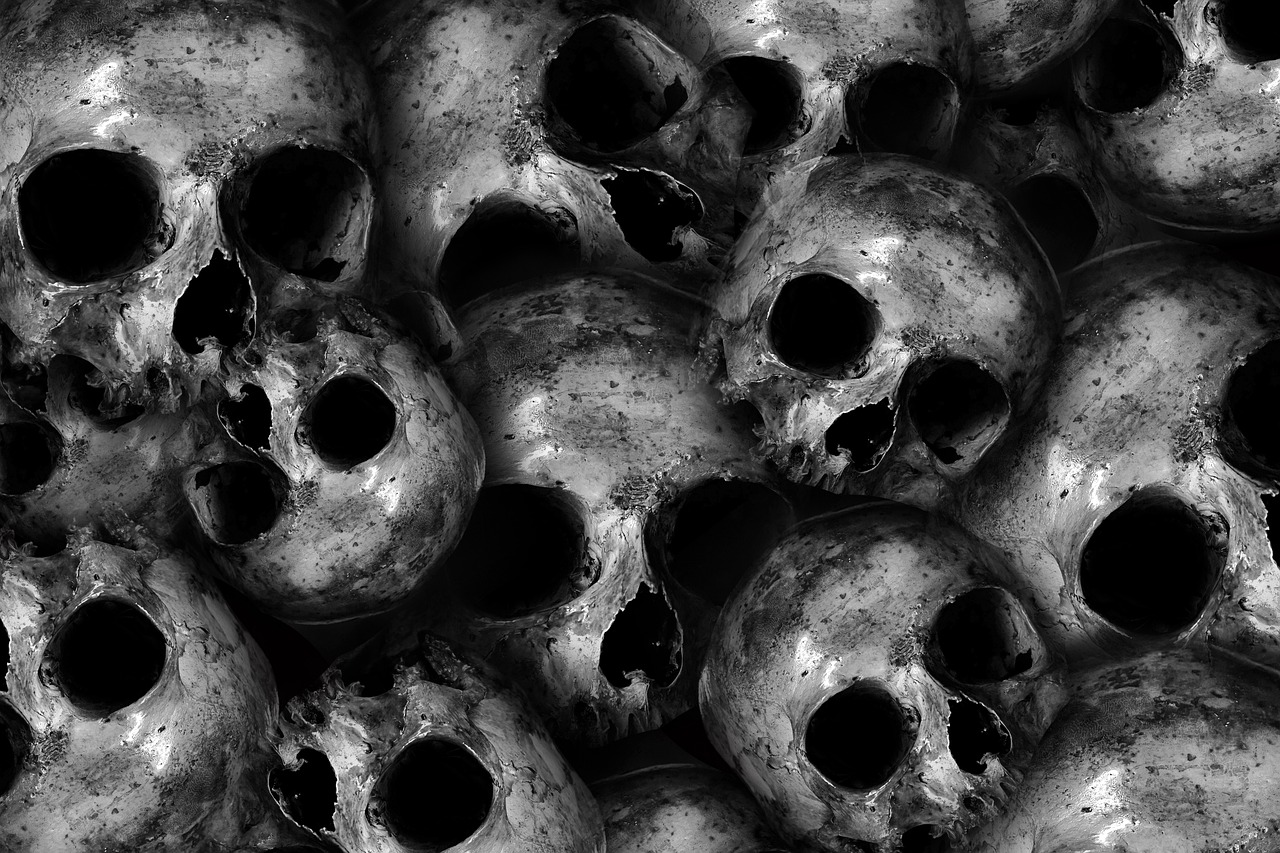
When restoration work begins in an old abbey, it is not unusual to find human remains. Monks were buried in the cloister, benefactors in the chapter house, and saints in shrines that attracted pilgrims. But some burials are not so easily explained. Skeletons have been found walled up in cavities, buried beneath thresholds, and placed in positions that suggest they were not given a normal Christian burial. These are the bones that raise questions.
In one English abbey, workers repairing a stone wall discovered a complete skeleton sealed inside a niche. The body had been placed in a sitting position, with the knees drawn up to the chest. There was no coffin, no grave goods, and no inscription. The niche was too small for a standing burial and too awkward for a normal interment. Who was this person, and why were they placed there?
The Archaeology of the Unusual
Archaeologists who study monastic burials have learned to distinguish between different types of interment. A monk buried in the cloister garth would typically be laid out in a simple shroud, with the head to the west, in a grave aligned with the church. A founder or patron might be placed in a stone coffin, often in a prominent position. These are the norm. The exceptions are what interest us.
Some unusual burials can be explained by practical circumstances. A person who died of a contagious disease might be buried quickly, without the usual rites. A body that was found after a long search might be interred wherever it was discovered. But other cases are harder to explain. Skeletons have been found with stones placed on their chests, a practice that some scholars associate with the belief that the dead could rise and harm the living. Others have been found face down, a position that was sometimes used for criminals or suicides.
One of the most intriguing categories is the "foundation burial." In some medieval buildings, human remains have been found beneath the foundation stones, placed there deliberately during construction. This practice is often interpreted as a sacrifice—a way of ensuring that the building would stand—but the evidence is ambiguous. The bodies might have been those of people who died naturally during the building work, or they might have been placed there for symbolic reasons that we no longer understand.
The Stories the Bones Tell
Modern forensic analysis can reveal a great deal about these individuals. Their age, sex, health, and diet can all be determined from their bones. Sometimes, the cause of death is obvious—a blade wound, a broken neck, a sign of disease. In other cases, the skeleton shows signs of a hard life: arthritis, tooth decay, old injuries that healed poorly. These were real people, and their remains are the only record of their existence.
The question of why they were buried in such unusual ways may never be fully answered. The medieval mind was comfortable with symbolism and ritual in ways that can be difficult for us to reconstruct. A body placed in a wall might have been a punishment, a protection, or an act of piety. A skeleton found beneath a threshold might have been a guardian, a warning, or simply a convenient disposal site.
What is clear is that these burials were deliberate. Someone made a decision to place a body in a particular spot, and that decision had meaning. The bones in the wall are not just archaeological curiosities. They are the last traces of lives that ended in circumstances we can only guess at, in a world where the boundary between the living and the dead was thinner than we might imagine.
-

-

-
The Bell That Rang for No One: Forgotten Abbeys and Their Silent Towers
Aug 26, 2026Forbidden Knowledge

-
The Library That Vanished: Tracing the Lost Manuscripts of Monastic Scriptoria
Sep 18, 2026Burial Mysteries

-
The Silent Watchers: Gargoyles and the Hidden Meanings Carved in Stone
Aug 31, 2026Architectural Secrets

-
The Underground River: Secret Passages and Hidden Waterways Beneath Abbeys
Sep 17, 2026Hidden Spaces

-
The Forbidden Books: Censored Texts and Hidden Heresies in Monastic Libraries
Oct 2, 2026Monastic Mysteries

-
The Bones in the Wall: Mysterious Burials in Medieval Religious Buildings
Sep 6, 2026Pilgrimage and Devotion

-

Cloister Clue

Scratched into the stonework of countless abbeys are cryptic symbols left by the masons who built them — a silent language that scholars are still decoding.