




The Library That Vanished: Tracing the Lost Manuscripts of Monastic Scriptoria
Lost Libraries | September 19, 2026
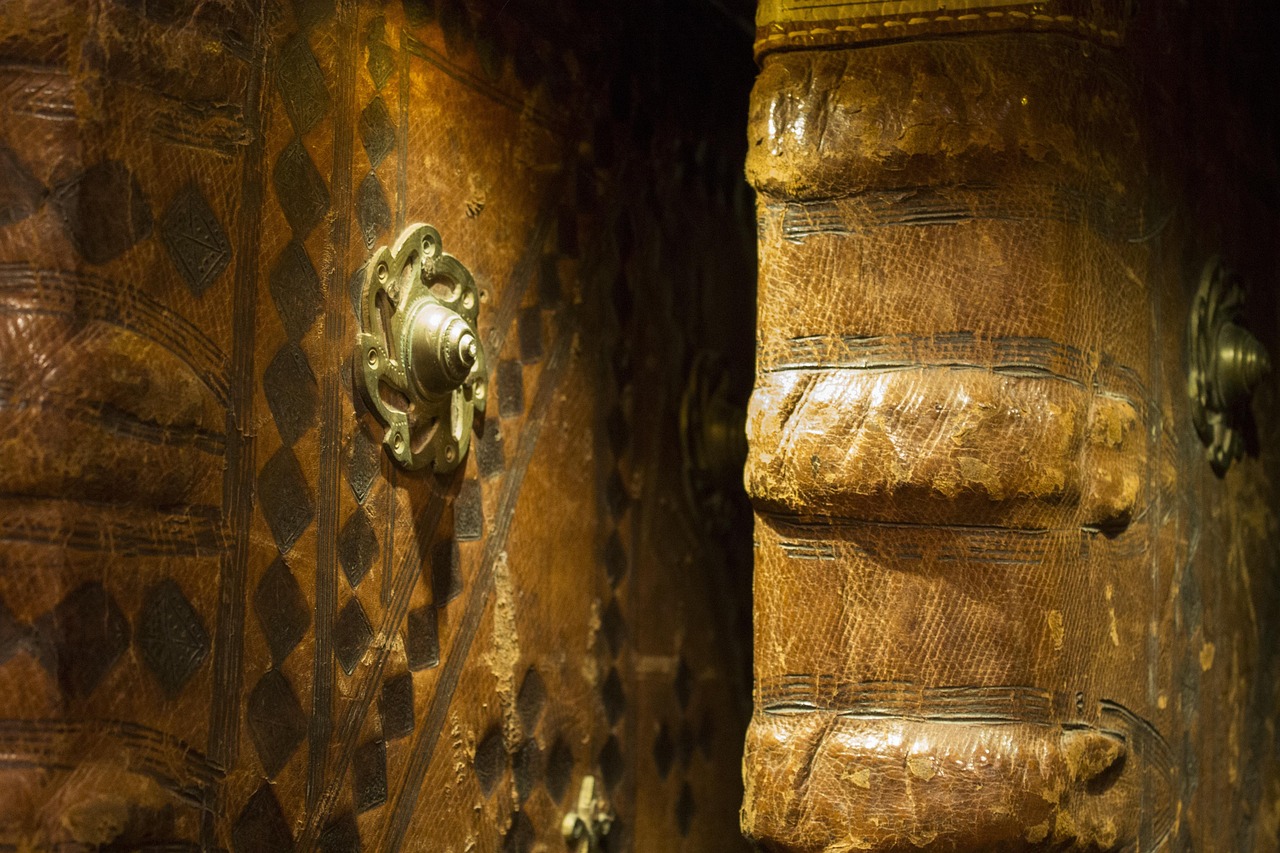
In the autumn of 1538, the monks of a great Benedictine house watched as royal commissioners carried away their library in carts. What happened next to those books is one of the great unsolved puzzles of English religious history. Some volumes were burned in bonfires that reportedly lasted for days. Others were sold to grocers as wrapping paper. But a surprising number simply vanished—and the hunt for them continues today.
Monastic libraries were not merely storehouses of religious texts. They were working laboratories of knowledge, where scribes copied everything from Scripture and theology to medical treatises, chronicles, and even the occasional love poem tucked into a margin. A single abbey might hold hundreds of volumes, some of them the only surviving copies of works by classical authors. When those libraries scattered, so did centuries of accumulated learning.
The Clues Left Behind
How do we know what was lost? Because medieval monks often left catalogues—inventories of their collections, sometimes written inside the covers of surviving books or recorded in the abbey's own chronicles. These lists are tantalizing. They name works that no modern scholar has ever seen, texts that exist only as titles in a thirteenth-century hand. A catalogue from a priory in the West Country, for instance, mentions a volume described as "the book of the hermit's visions," which has never been identified.
Occasionally, a lost manuscript resurfaces in the most unlikely place. A volume from a dissolved abbey might turn up in a private collection, its ownership mark—a faint inscription or a distinctive binding—revealing its monastic origin. In one well-documented case, a book that had belonged to a Yorkshire abbey was found being used as a ledger in a nineteenth-century farmhouse, its illuminated initials still bright beneath layers of dust and candle smoke.
Where the Books Might Still Be
Some scholars believe that a few monastic libraries were not destroyed but hidden. The speed of the dissolution left little time for careful preservation, yet some monks clearly tried. There are accounts of books being walled up in secret compartments, buried in lead chests, or entrusted to sympathetic families who promised to keep them safe. A few of these caches may still lie undiscovered in the walls of converted abbeys, under the floors of old manor houses, or in the forgotten corners of cathedral libraries.
The search is complicated by the fact that medieval manuscripts rarely announce themselves. A lost text might be bound together with unrelated works, its provenance erased by centuries of rebinding. It might sit unrecognized on a shelf, catalogued under a different title, waiting for someone to notice a faint ownership inscription or a style of decoration that points to a particular scriptorium.
For the historian, the vanished monastic library is both a tragedy and an invitation. Every surviving catalogue is a map to a treasure that may still exist. Every marginal note in a surviving book is a whisper from a world that was dismantled in a matter of months. And every now and then, in a quiet auction house or a country archive, a volume turns up that should not exist—and the hunt begins again.
-

-
The Bones in the Wall: Mysterious Burials in Medieval Religious Buildings
Sep 11, 2026Forbidden Knowledge

-


-
The Bell That Rang for No One: Forgotten Abbeys and Their Silent Towers
Sep 28, 2026Pilgrimage and Devotion

-
The Library That Vanished: Tracing the Lost Manuscripts of Monastic Scriptoria
Sep 29, 2026Lost Monasteries

-

Cloister Clue

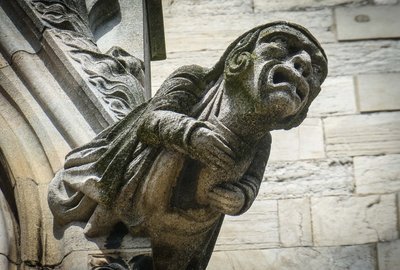
Gargoyles were not just decorative monsters—they were theological statements, warnings, and sometimes personal jokes carved by masons who knew exactly who would see them.