





The Bell That Rang for No One: Forgotten Abbeys and Their Silent Towers
Lost Monasteries | September 22, 2026

When a monastery was dissolved, its buildings stripped, and its monks dispersed, the bells were usually the first things taken. Bronze was valuable, and a large abbey bell could be sold or recast. Yet in some ruined abbeys, the bells were left behind. They hang today in broken towers, exposed to rain and birds, silent for centuries. Around them have grown stories that refuse to die.
The most famous of these legends concerns bells that ring without human hands. In several European countries, local tradition holds that a bell in a ruined abbey will toll on the anniversary of the monastery's dissolution, or on the night before a great storm, or when a former monk dies. These stories are rarely taken literally, even by those who tell them. But they persist because they express something true: the sense that these places are not entirely abandoned.
Why the Bells Were Left
Historians have practical explanations for why some bells remained. In remote areas, transporting a heavy bell was difficult and expensive. If the abbey was already in decline before its dissolution, there may have been no one willing to pay for removal. In some cases, the bell was cracked or damaged and therefore worthless. Occasionally, a local community claimed the bell for its own church, but never got around to moving it.
Whatever the reason, the result is a strange kind of survival. A bell is not just a piece of metal. It is a voice. In monastic life, bells governed time: they called monks to prayer, marked the hours, announced deaths, and rang for celebrations. A silent bell is a contradiction, an instrument deprived of its purpose. That contradiction is what fuels the legends.
Silence and Memory
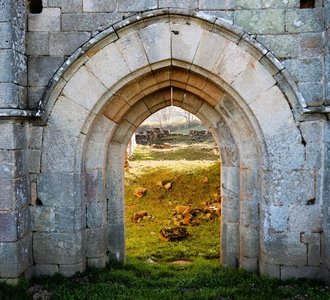
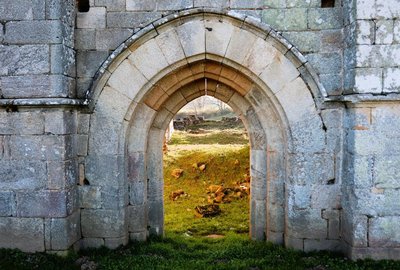
Visitors to ruined abbeys often report a sense of presence, even when the buildings are empty. The architecture itself encourages this: roofless naves open to the sky, broken arches framing views of fields, towers that still stand though everything around them has fallen. The silent bell adds another layer. It is a reminder that the abbey was once alive, that its rhythms were human and sacred, and that all of that ended.
Some preservation groups have chosen to leave these bells in place rather than move them to museums. The decision is controversial. Exposure will eventually destroy them. But removing them would break the connection between the bell and the place it served. For now, they hang where they have always hung, waiting for a hand that will not come. The bell that rang for no one is not quite silent. It still speaks, if only to the imagination.
-
The Bones in the Wall: Mysterious Burials in Medieval Religious Buildings
Aug 28, 2026Pilgrimage and Devotion

-
The Forbidden Books: Censored Texts and Hidden Heresies in Monastic Libraries
Oct 2, 2026Lost Monasteries

-
The Bones in the Wall: Mysterious Burials in Medieval Religious Buildings
Sep 29, 2026Lost Libraries


-

-

-
The Library That Vanished: Tracing the Lost Manuscripts of Monastic Scriptoria
Oct 3, 2026Monastic Mysteries

Cloister Clue

When Henry VIII dissolved the monasteries, countless illuminated manuscripts disappeared overnight—some burned, some smuggled, and some still waiting to be found.