The Alchemist in the Cloister: Science and Heresy in Medieval Abbeys
Monastic Mysteries | September 28, 2026

When we think of medieval monasteries, we picture scribes copying scripture, bells ringing for vigils, and gardens tended by silent brothers. We rarely picture bubbling flasks, furnaces, and the pursuit of transmutation. Yet a surprising number of abbeys became quiet centers of alchemical study, where monks and lay brothers sought to understand the hidden properties of matter — often with the blessing of their superiors, and sometimes without.
Alchemy in the Middle Ages was not simply the doomed quest to turn lead into gold. It was a philosophical and practical discipline that combined metallurgy, medicine, astronomy, and theology. Many clerics saw it as a way of studying God's creation at its most fundamental level. Roger Bacon, the thirteenth-century Franciscan, wrote extensively on alchemy and experimental science. Other monastic figures followed, though usually under pseudonyms or in manuscripts that circulated privately.
The Laboratory Behind the Altar
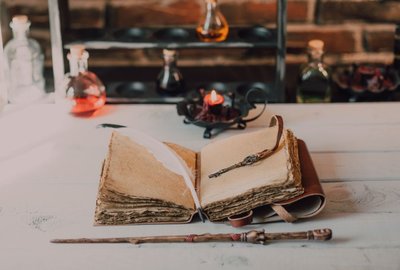
Monastic alchemists had practical advantages. Abbeys possessed libraries, access to rare ingredients through their networks of correspondents, and the leisure to experiment. Some also had something more valuable: privacy. A furnace that burned day and night, strange smells, and the clatter of glassware would have attracted attention in a town. Within the cloister, such activities could be framed as medicinal preparation or the pursuit of pious knowledge.
Several abbeys are known to have had working laboratories, though few traces survive. At one German monastery, excavation revealed a cellar with channels for water and a ventilation shaft — features consistent with a distillation setup. Manuscripts from other houses include recipes for inks, pigments, medicines, and alloys, some of which edge toward alchemical procedure. The line between a monastic infirmary and an alchemical workshop was often thin.
When Piety Became Suspicion
Not everyone approved. Church authorities grew wary of alchemy when it veered into astrology, magic, or claims of secret knowledge. A monk who claimed to have discovered the philosopher's stone might find himself accused of pride, fraud, or worse. In the fourteenth century, Pope John XXII issued a decree against alchemical practices that counterfeited gold, though he reportedly dabbled himself. The tension between curiosity and orthodoxy ran through monastic life.
What remains of this hidden tradition is fragmentary: a few manuscripts, a scorched stone, a cryptic recipe. But these traces suggest that abbeys were not merely fortresses of dogma. They were also places where the boundaries of knowledge were quietly tested. The alchemist in the cloister was a seeker in the medieval sense — convinced that the material world held secrets placed there by God, and that patience, fire, and prayer might reveal them.
-

-
The Silent Watchers: Gargoyles and the Hidden Meanings Carved in Stone
Sep 22, 2026Pilgrimage and Devotion

-
The Underground River: Secret Passages and Hidden Waterways Beneath Abbeys
Oct 1, 2026Lost Monasteries

-
The Forbidden Books: Censored Texts and Hidden Heresies in Monastic Libraries
Aug 28, 2026Lost Libraries

-
The Bones in the Wall: Mysterious Burials in Medieval Religious Buildings
Sep 10, 2026Hidden Passages

-

-

-
The Alchemist in the Cloister: Science and Heresy in Medieval Abbeys
Sep 7, 2026Architectural Secrets

-

Cloister Clue
Scratched into pillars and doorways, medieval pilgrim graffiti reveals the hopes, fears, and journeys of ordinary believers.